
Lighting equipment plays a foundational role in modern industrial, commercial, and
construction environments. It is one of the most essential categories of engineering
infrastructure, directly influencing productivity, operational efficiency, worker safety,
and compliance with regulatory standards. Properly designed and selected lighting solutions
enhance visibility, reduce the risk of accidents, support visual accuracy for delicate
tasks, improve energy efficiency, and contribute to the long-term sustainability of
facilities. As technology continues to evolve, lighting equipment has shifted from
traditional incandescent and fluorescent fixtures to advanced LED systems with intelligent
control capabilities, offering unprecedented levels of performance, durability, and cost
savings.
In today’s market, lighting equipment encompasses a broad selection of specialized
products, including industrial LED fixtures, outdoor luminaires, high-bay and low-bay
lights, floodlights, architectural lighting, emergency and evacuation systems,
explosion-proof fixtures for hazardous environments, and lighting control systems. Each
category is designed to address the specific needs of particular industries and operating
conditions. Selecting the right lighting equipment requires consideration of performance
criteria such as luminous efficacy, color rendering, power consumption, ingress protection
(IP rating), dust and moisture resistance, and compliance with national and international
safety standards.
One of the most significant technological advancements in modern lighting is the
widespread adoption of LED technology. LED fixtures offer up to 80% improved energy
efficiency compared to traditional halogen or fluorescent lighting. They have a
substantially longer lifespan—often exceeding 50,000 to 100,000 hours—resulting in lower
operating and maintenance costs. LED fixtures also provide stable light output without
flickering, which is essential for visual comfort and safety. In addition, LEDs generate
significantly less heat, reducing the load on air conditioning systems and decreasing fire
risk. These advantages have made LED lighting the preferred choice for nearly all new
industrial and commercial installations.
Industrial lighting is a critical component in facilities such as manufacturing
plants, warehouses, logistics hubs, automotive workshops, heavy-duty production floors,
assembly areas, and agricultural complexes. Industrial luminaires are designed to withstand
challenging environmental conditions, including vibration, dust, chemical exposure,
temperature fluctuations, and humidity. They typically feature robust housings made of
aluminum alloy or reinforced polycarbonate, high-quality drivers, and optical systems
engineered to achieve uniform light distribution. Depending on installation height and
layout, facilities may require high-bay fixtures (used in buildings with ceilings of 8
meters or higher) or low-bay fixtures for lower ceilings.
Outdoor and street lighting solutions ensure safety, visibility, and security in
open areas such as construction sites, industrial yards, roadways, parking lots, loading
zones, campuses, ports, and perimeter areas. Outdoor luminaires must comply with stringent
environmental protection standards, often boasting IP65 or IP66 ratings and impact
resistance (IK ratings). LED-based streetlights reduce operational costs and offer
consistent, high-quality illumination even in extreme temperatures. Intelligent outdoor
systems can be integrated with motion sensors, dimming schedules, and remote-monitoring
platforms to optimize energy usage and adapt lighting levels to real-time conditions.
Construction site lighting is another vital category, created specifically for
temporary and dynamic work environments. Construction lights must be portable, durable,
impact-resistant, and capable of operating despite exposure to dirt, moisture, or accidental
mechanical stress. Common solutions include mobile floodlights on telescopic masts, portable
LED towers, construction string lights, high-power spotlights, and rechargeable work lamps.
Proper illumination on construction sites is critical for worker safety, reducing accidents
caused by poor visibility, especially during night shifts, winter months, or in enclosed
spaces such as basements and tunnels.
Commercial and office lighting focuses on creating environments that enhance
productivity, reduce eye strain, and support overall occupant well-being. LED panel lights,
linear fixtures, suspended luminaires, and track lights are popular choices for offices,
retail stores, hotels, and public buildings. Key performance metrics include color
temperature (commonly between 3000 K and 5000 K), color rendering index (CRI), and
uniformity. Modern commercial lighting systems often incorporate smart sensors, enabling
automatic brightness adjustment based on natural light levels or occupancy.
Emergency and evacuation lighting represents an essential safety component of any
public or industrial building. These systems ensure that escape routes remain illuminated
during power outages, fires, or other emergencies. Emergency lighting includes
battery-powered luminaires, exit signs, directional indicators, and central battery systems
with automatic testing capabilities. Regulations require that emergency lighting systems
activate automatically within seconds of a power failure and operate for a minimum
duration—typically at least 60 to 180 minutes. These systems are vital for preventing panic,
guiding occupants to safety, and supporting the work of emergency personnel.
Specialized explosion-proof (Ex) lighting is critical for hazardous environments
such as oil and gas facilities, chemical processing plants, grain storage warehouses, paint
shops, and other locations where flammable gases, vapors, or dust may be present.
Explosion-proof fixtures must comply with strict ATEX/IECEx requirements and feature
reinforced housings, sealed wiring connections, thick safety glass, and anti-corrosion
coatings. Their design ensures that any potential ignition source remains isolated,
preventing explosions and protecting both workers and equipment in high-risk zones.
Selecting lighting equipment for industrial or construction projects requires a
detailed analysis of operational needs. Key considerations include illumination standards,
ceiling height, installation method (suspended, surface-mounted, pole-mounted), optical
configuration (wide beam vs. narrow beam), ambient temperatures, voltage stability, and the
presence of contaminants such as dust or chemicals. For large facilities, lighting design
specialists often prepare photometric studies to assess the required number, type, and
placement of luminaires, ensuring compliance with EN, OSHA, ISO, or local building codes.
Advanced lighting control systems have become widely adopted in recent years. These
systems include smart sensors, centralized management platforms, wireless communication
modules, dimming functions, and automated scheduling. Intelligent lighting control improves
energy efficiency by adjusting brightness according to occupancy or daylight availability,
enables remote diagnostics, and supports predictive maintenance by monitoring each fixture’s
health in real time. In manufacturing facilities, lighting control can be integrated with
building management systems (BMS), allowing facility managers to optimize energy usage
across multiple utilities.
One of the key benefits of modern LED systems is their contribution to workplace
safety. Proper lighting minimizes accidents by increasing visibility of hazards, improving
depth perception, and ensuring clear visibility of floor surfaces, signage, and equipment.
Research shows that adequate lighting increases worker productivity, reduces fatigue, and
enhances accuracy during precision tasks. Poor lighting, on the other hand, may lead to
mistakes, eye strain, and accidents involving machinery, vehicles, or tools.
Another advantage of LED lighting solutions is their reduced environmental
footprint. LED technology consumes significantly less electricity, generates minimal heat,
contains no hazardous mercury, and reduces waste thanks to its long operational lifespan.
Many industrial facilities integrate solar-powered lighting systems for remote or off-grid
applications, combining sustainability with cost savings. Outdoor LED lights with solar
panels and battery storage are increasingly used in perimeter fencing, parking lots, remote
industrial sites, and temporary construction areas.
For specialized environments, lighting must be tailored to specific needs.
Cold-storage facilities require luminaires designed to operate at extremely low
temperatures. Food processing plants demand fixtures with hygienic housings, smooth
surfaces, and IP69K washdown capability. Cleanrooms used in electronics, pharmaceuticals, or
biotechnology require luminaires that limit particle buildup and meet ISO cleanroom
standards. Heavy manufacturing environments such as steel plants require lighting systems
capable of withstanding high ambient temperatures and exposure to metal dust.
Maintenance considerations also play a significant role in lighting equipment
selection. LED luminaires require far less frequent replacement compared to traditional
fixtures, reducing downtimes and maintenance labor costs. For facilities operating 24/7—such
as logistics hubs and production lines—maintenance savings can be substantial. Many modern
fixtures include tool-free access, modular components, and smart drivers that extend service
life and simplify repairs.
In summary, lighting equipment is a critical component of any modern infrastructure
project. Whether used in industrial plants, commercial buildings, warehouses, or
construction sites, lighting directly influences safety, performance, energy efficiency, and
operational reliability. The shift toward LED technology, combined with advancements in
automation and control, continues to redefine the standards of industrial illumination.
Properly selected lighting equipment contributes to long-term cost savings, regulatory
compliance, enhanced productivity, and improved working conditions.
Construction equipment plays a central and indispensable role in virtually
every phase of modern construction projects, ranging from early site preparation and
foundation work to structural assembly, finishing, and commissioning. It is the backbone of
productivity on construction sites, dramatically increasing efficiency, reducing manual
labor, ensuring compliance with safety standards, and enabling projects to be completed
within the required timeframes. Whether the goal is to construct a residential building, a
logistics center, an industrial workshop, a commercial facility, or a large infrastructure
project, having the right construction equipment is essential for maintaining workflow
continuity and achieving high-quality results.
The scope of construction equipment spans a broad spectrum—from heavy machinery and
mechanized tools to compact hand-held devices, specialized temporary structures, lifting
systems, and power supply units. Each type of equipment is engineered to perform specific
tasks with precision and reliability. Selecting the right machinery not only affects the
pace of operations but also influences costs, worker safety, and the longevity of the built
structure. In modern project management, equipment selection is integrated with planning,
logistics, cost control, and risk mitigation strategies.
One of the most fundamental categories in construction equipment is machinery
designed for concrete and masonry tasks. Concrete remains the most widely used construction
material globally due to its strength, durability, and versatility. For concrete mixing and
placement, contractors rely on equipment such as concrete mixers, vibrators, screeds, and
power trowels. Concrete mixers come in a variety of capacities—from portable 120-liter units
suitable for small jobs to large towable mixers that can handle high-volume production.
Electric mixers are commonly used on commercial sites with access to stable power, while
gasoline-powered mixers are preferred for remote or undeveloped areas.
Concrete vibrators are indispensable for ensuring the structural integrity of poured
concrete. These tools eliminate air pockets trapped within the mixture and help achieve
dense, uniform compaction. Vibrators come in different configurations, such as internal
(poker) vibrators, surface vibrators, and form vibrators. The choice depends on the geometry
of the structure being cast and the required depth of curing. Internal vibrators are often
used for columns, walls, and deep pours, while surface vibrators are ideal for slabs and
horizontal surfaces.
For soil compaction and ground preparation—tasks essential for establishing stable
subgrades, roadbeds, and foundations—contractors use vibratory plates, tampers, and rammers.
Vibratory plates vary in weight from lightweight reversible units suitable for landscaping
and small patios to heavy-duty models used in roadwork and large infrastructure projects.
Rammers (also known as trench tampers) are preferred for compacting cohesive soils and
narrow trenches, where larger compaction equipment cannot operate effectively. Proper
compaction is critical for preventing future settlement, uneven loads, and structural
weakness.
Construction scaffolding and access systems represent another major category of
essential equipment. These structures allow workers to safely perform tasks at height, such
as façade finishing, painting, plastering, glazing, insulation, and installation of exterior
cladding. Scaffolding systems come in multiple forms: frame scaffolding for quick assembly,
tube-and-clamp scaffolding for complex geometries, and modular scaffolding capable of
covering large building surfaces. Mobile scaffolding towers (also called rolling towers) are
widely used for indoor work requiring frequent relocation, such as installing HVAC ducts or
lighting fixtures in halls and warehouses.
Earthmoving equipment is another cornerstone of construction operations. Excavators,
backhoe loaders, bulldozers, skid-steer loaders, and dumpers enable rapid and efficient
handling of soil, debris, and construction materials. However, even on smaller-scale sites
where heavy machinery may be too large or impractical, compact construction equipment plays
a vital role. Mini-excavators, compact loaders, and walk-behind trenchers ensure
flexibility, maneuverability, and reduced operational costs. These compact units are
particularly useful in urban environments with restricted spaces, indoor demolition work, or
landscaping projects.
Another critical category includes power tools and handheld electrical equipment. On
any active construction site, power tools are in constant use—from drilling and fastening to
cutting and grinding. These include rotary hammers, hammer drills, impact wrenches, circular
saws, reciprocating saws, angle grinders, rebar cutters, tile cutters, nail guns, and more.
High-quality power tools improve accuracy, reduce fatigue, and significantly accelerate
operations. With the rise of battery-powered tools featuring lithium-ion technology,
contractors enjoy greater flexibility and mobility, eliminating the need for long power
cables and reducing electrical hazards.
Cutting and shaping equipment for rebar and metal fixtures is essential for
reinforced concrete construction. Rebar bending machines, shears, and cutters ensure precise
shaping of steel reinforcement cages used in beams, slabs, columns, and foundations. These
machines contribute to the structural integrity of buildings and eliminate inaccuracies that
could jeopardize safety. Rebar fabrication is performed either on-site or in prefabrication
workshops depending on the scale of the project and logistical constraints.
Saws and cutting tools include a wide range of devices: masonry saws, tile saws,
block saws, concrete floor saws, and handheld diamond cutters. Diamond-blade saws make it
possible to cut through dense materials such as concrete, stone, bricks, and asphalt with
high precision. In addition to cutting, equipment for surface finishing—such as grinders,
polishers, and shot-blasting machines—is used to prepare surfaces for coatings,
waterproofing layers, or flooring.
Welding equipment also plays an essential role in steel construction, metalwork
fabrication, and pipeline installation. Welders rely on inverter welding machines, MIG/MAG
welders, TIG welders, and plasma cutters to assemble beams, frames, handrails, staircases,
and other metallic structures. Portable welding generators allow operations to continue even
when grid power is unavailable. Because welding involves heat and sparks, it must be
supported by proper protective equipment and ventilation.
Lifting and handling equipment ensures the safe movement of heavy loads around a
construction site. This category includes electric hoists, chain blocks, wire rope winches,
material lifts, jib cranes, and material handling carts. Forklifts and telescopic handlers
are indispensable for transporting palletized materials, steel beams, scaffolding bundles,
and heavy equipment. Chain hoists (manual or electric) are used for lifting structural
components during assembly work. The quality of lifting equipment directly impacts job-site
safety—a critical area in construction risk management.
Pumping equipment is another vital tool on construction sites, particularly in
situations requiring dewatering, concrete pumping, or fluid transfer. Submersible pumps
remove accumulated water from trenches, basements, and excavations, ensuring that work areas
remain dry and safe. Trash pumps, capable of handling solids and debris, are used in muddy
or contaminated water conditions. For large concrete pours, concrete pumps (line pumps and
boom pumps) ensure uninterrupted, high-volume delivery of concrete to hard-to-reach
locations, dramatically increasing efficiency.
Temporary power supply systems are indispensable on construction sites where
permanent electrical infrastructure is not yet installed. Portable generators—both gasoline
and diesel-powered—are used to operate tools, lighting, compressors, and job-site offices.
Distribution boards, power cables, transformers, and circuit breakers form part of the
temporary electrical network, which must comply with safety standards regarding grounding,
overload protection, and insulation.
Air compressors, widely used across construction and industrial applications, power
pneumatic tools such as jackhammers, nail guns, staplers, sandblasters, and spray guns.
Piston compressors are generally favored for smaller tasks and intermittent use, while screw
compressors are ideal for continuous, high-volume air supply. In road construction, air
compressors support surface preparation and asphalt application tasks.
Surveying and measuring equipment ensures that construction work remains aligned
with project specifications and design plans. Laser levels, total stations, theodolites, GPS
measurement systems, and laser distance meters allow surveyors and contractors to achieve
precise layout, elevation control, and alignment. This equipment helps prevent structural
deviations, errors in foundation layout, and problems with geometric accuracy during
assembly.
Interior finishing equipment includes plastering machines, paint sprayers, floor
sanders, tile-laying tools, and mixing drills. Plastering machines automate the application
of cement or gypsum plaster, reducing labor requirements and delivering consistent quality.
Paint sprayers speed up the process of applying coatings on walls and ceilings, especially
in large spaces. Tile-cutting tools and tile-laying systems ensure precise placement in
bathrooms, kitchens, and entrance areas. For flooring, specialized machines assist with
leveling compounds, polishing concrete floors, or installing vinyl and laminate tiles.
Safety equipment is another indispensable category of construction equipment. Job
sites must adhere to strict safety standards, and the availability of protective equipment
helps prevent injuries and accidents. Safety gear includes helmets, high-visibility vests,
gloves, protective eyewear, fall-arrest harnesses, and steel-toe boots. Construction sites
also use temporary barriers, warning signs, guardrails, safety nets, and fire extinguishers.
Lighting equipment—such as portable floodlights—ensures proper visibility during nighttime
operations or in enclosed environments.
In addition to mechanical tools, modern construction increasingly relies on digital
equipment and monitoring systems. Drones equipped with high-resolution cameras are used for
site inspections, progress tracking, and mapping. Sensors and IoT devices monitor
vibrations, temperature, humidity, load-bearing capacity, and machinery performance. These
digital tools help enhance project control, increase safety, and reduce operational risks.
Maintenance of construction equipment is a crucial aspect of successful operations.
Regular inspection, lubrication, cleaning, calibration, and component replacement extend
equipment life and ensure peak performance. Poorly maintained tools pose safety hazards,
reduce productivity, and can lead to costly downtime. Many construction companies adopt
preventive maintenance plans to avoid unexpected failures.
Overall, construction equipment is fundamental to achieving efficiency, safety, and
quality in modern building projects. From large mechanical systems to precision tools, every
piece of equipment contributes to a seamless workflow. Proper selection, maintenance,
training, and safety compliance allow construction teams to complete projects more
efficiently while minimizing risks and maximizing long-term value.
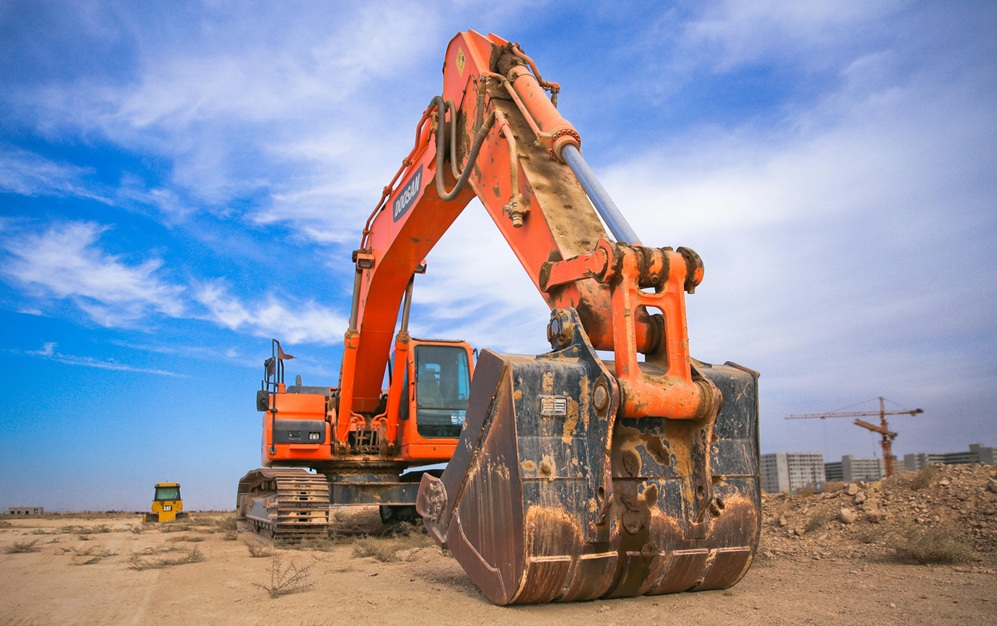
Industrial equipment constitutes the technological foundation of manufacturing, processing, logistics, energy production, and nearly every sector of modern industry. It enables the transformation of raw materials into finished goods, supports heavy-duty operational processes, and ensures that factories, warehouses, and industrial complexes operate efficiently, safely, and without interruption. Industrial equipment encompasses a vast range of machinery and devices—from heavy mechanical systems and automation equipment to environmental control units, transport systems, and precision tools. The performance and reliability of industrial operations depend heavily on selecting the right equipment, maintaining it properly, and integrating it effectively into the production workflow.
Industrial equipment can be broadly categorized into several major groups: pumping systems, compressors, ventilation and climate-control equipment, lifting and material-handling equipment, industrial processing machinery, filtration and purification systems, power distribution systems, storage vessels, automation and control systems, and specialized machinery for individual industries. Each of these categories plays a crucial role in maintaining productivity, ensuring safety, optimizing energy usage, and meeting regulatory standards.
Pumping systems and pumping stations are among the most common and essential types of industrial machinery. They serve a variety of functions, including transporting liquids, circulating coolants, transferring chemicals, draining wastewater, feeding boilers, and processing materials in industries such as oil and gas, mining, food processing, pharmaceuticals, agriculture, and manufacturing. Industrial pumps come in numerous types, each suited for specific applications. Centrifugal pumps work by imparting velocity to liquids using a rotating impeller, creating pressure that moves the fluid through a pipeline. They excel in applications requiring continuous, high-flow liquid transfer, such as cooling circuits, water treatment plants, and general industrial operations. Membrane (diaphragm) pumps are ideal for handling viscous liquids, chemicals, slurries, or aggressive substances. They provide high accuracy in dosing and are commonly used in chemical plants, food production, and pharmaceutical manufacturing. Positive-displacement pumps, such as gear, lobe, and screw pumps, deliver constant flow regardless of pressure variations, making them suitable for high-viscosity fluids and precise metering tasks. Submersible pumps are designed to operate underwater and are used for drainage, sewage transfer, stormwater management, mining operations, and flood control.
Compressors and pneumatic systems provide pressurized air or gas for a wide variety of industrial applications. Compressed air powers pneumatic tools, drives actuators, supports automation systems, feeds air-based production processes, and provides ventilation. Piston (reciprocating) compressors are durable and cost-effective, making them suitable for workshops and small-to-medium manufacturing operations. Rotary screw compressors are widely used in industrial settings due to their ability to deliver continuous, steady airflow with high efficiency and low noise. They are capable of running 24/7 and are used in large factories, food processing plants, textile mills, and logistics centers. Centrifugal compressors, on the other hand, are used in high-capacity operations such as power plants, refineries, and petrochemical facilities. Compressed-air systems typically incorporate air dryers, filters, oil separators, regulators, and receivers, all critical for ensuring product quality and protecting machinery from contamination.
Ventilation, air handling, and climate-control systems are vital for maintaining safe and comfortable industrial environments. They ensure worker comfort, regulate temperatures, manage humidity, remove contaminants, and prevent the buildup of hazardous fumes or dust. Industrial ventilation systems can include axial fans for high-volume airflow, centrifugal fans for high-pressure duct systems, air-handling units that integrate filtration and air conditioning, and dust-collection systems essential in wood, metal, cement, and grain-processing industries. Fume extractors are used in welding shops, chemical processes, and laboratories to capture and remove harmful gases and particulates. Temperature control is particularly important in industries with heat-sensitive processes, such as electronics manufacturing, food production, pharmaceutical storage, and precision assembly. HVAC systems, combined with industrial chillers and cooling towers, help maintain optimal environmental conditions. Cleanrooms, used in biotech and microelectronics, demand strict control over particle counts, airflow patterns, temperature, and humidity, relying heavily on specialized ventilation and filtration equipment.
Lifting and material-handling equipment enables safe and efficient movement of goods, components, and heavy machinery within industrial facilities. This category includes bridge cranes, gantry cranes, jib cranes, overhead cranes, electric hoists, chain hoists, forklifts, pallet jacks, stackers, and various conveyor systems. Overhead cranes and gantries are common in steel mills, shipyards, and large manufacturing plants, where they handle heavy loads and oversized components. Forklifts are central to warehouse and logistics operations, used to move pallets and racks. Variants such as diesel, electric, and LPG forklifts are chosen based on indoor or outdoor usage, emission requirements, and load profiles. Conveyor systems—belt, roller, chain, screw, and vertical conveyors—automate material flow, increase throughput, and synchronize production lines. Automated storage and retrieval systems (AS/RS) and robotic palletizing lines represent the next level of material-handling automation.
Industrial processing and manufacturing equipment varies tremendously depending on the type of industry, but certain categories are widely recognized. In metalworking, CNC milling machines, lathes, grinding machines, laser cutters, plasma cutters, and waterjet systems form the backbone of precision manufacturing. Press brakes and bending machines shape metal sheets, while punching machines create holes and patterns. These machines are essential for producing components with tight tolerances in automotive, aerospace, machinery manufacturing, and construction sectors. Food processing equipment includes washers, cutters, mixers, cookers, cooling tunnels, fillers, and packaging lines designed to comply with strict hygiene standards. Chemical processing equipment includes reactors, mixers, separators, distillation columns, and dryers engineered to handle corrosive chemicals and high temperatures. Packaging equipment—labelers, carton erectors, palletizers, shrink-wrapping machines—ensures products are protected and ready for distribution.
Filtration and purification systems remove impurities from liquids, gases, and air. They are essential for protecting equipment from contamination, maintaining product quality, ensuring compliance with environmental regulations, and improving employee safety. Dust collectors, cyclones, industrial vacuum systems, oil separators, membrane filtration units, reverse-osmosis systems, and activated-carbon filters are used in various industries, including mining, pharmaceuticals, food and beverage, and petrochemicals. Effective filtration extends the lifespan of process equipment, improves energy efficiency, and reduces waste.
Power distribution, control, and energy equipment form the electrical core of industrial facilities. Transformers, switchgear, circuit breakers, load centers, stabilizers, power monitors, UPS systems, and automatic transfer switches (ATS) ensure safe and reliable power distribution. Large-scale facilities may incorporate diesel or gas-powered generators as backup or continuous power sources. Modern energy-management systems allow for real-time monitoring and optimization of power consumption, reducing costs and preventing overload conditions. In critical operations—such as data centers, hospitals, and process plants—power systems are designed with redundancy and failover mechanisms to ensure uninterrupted operation.
Storage tanks, silos, and industrial vessels are used to hold liquids, gases, powders, and raw materials. Examples include chemical tanks, oil storage tanks, water reservoirs, food-grade stainless-steel tanks, pressurized vessels, grain silos, and hopper bins. These structures must comply with strict safety regulations related to pressure, corrosion, leakage prevention, and material compatibility. Special linings and coatings are often used to protect tanks from aggressive media and environmental factors.
Automation, sensors, and control systems are transforming industrial operations. Programmable logic controllers (PLCs), human–machine interfaces (HMIs), sensors (for temperature, pressure, level, flow, vibration), servomotors, industrial robots, and SCADA systems form the backbone of industrial automation. These systems enable precise process control, improve repeatability, reduce human error, and allow real-time monitoring of equipment status. Smart factories employ IoT devices, artificial-intelligence analytics, and cloud-based platforms to monitor equipment health, predict failures, and optimize maintenance schedules. Predictive maintenance strategies, supported by vibration analysis and thermal imaging, help reduce downtime and extend equipment life.
In conclusion, industrial equipment is the driving force behind modern manufacturing, energy production, logistics, and heavy industry. Each category of equipment—from pumps and compressors to automation systems—plays a vital role in ensuring that industrial operations remain efficient, productive, and safe. Proper selection, installation, and maintenance of industrial equipment significantly impact the longevity, performance, and profitability of industrial facilities. By integrating advanced technologies, automation, and robust engineering solutions, businesses can create resilient and future-ready industrial environments.
Building materials form the structural and functional backbone of all modern construction
projects. Their selection determines not only the visual appearance of buildings but also
their strength, durability, energy performance, environmental impact, safety
characteristics, and overall lifecycle cost. Whether constructing residential units,
industrial facilities, commercial centers, infrastructure, or public buildings, the choice
of materials influences every aspect of project performance—from foundation stability and
thermal efficiency to acoustic comfort and long-term maintenance.
The field of building materials is vast, encompassing structural materials,
insulating materials, waterproofing systems, finishing materials, masonry products,
aggregates, concrete, metals, composites, and numerous chemical additives. Each type of
material possesses distinct mechanical, chemical, thermal, and aesthetic properties, and
each must be selected according to the specific requirements of the project. As construction
standards and environmental expectations evolve, new materials continue to emerge, improving
upon the limitations of traditional options while offering enhanced sustainability, energy
savings, and design flexibility.
Among the most fundamental categories of building materials are aggregates such as
sand, gravel, crushed stone, crushed rock, expanded clay, and recycled aggregates. These
materials serve as the raw ingredients in concrete, mortar, asphalt, foundation bases, and
various structural and civil engineering applications. Sand is used extensively in concrete
manufacturing, masonry mortar, plastering, paving bedding, and drainage layers. Different
types of sand—river sand, washed sand, pit sand, and marine sand—are chosen based on
cleanliness, grain size, and project requirements. Proper sand quality ensures uniformity,
desirable workability, and the strength of finished concrete or mortar.
Crushed stone and gravel are essential in reinforced concrete, road construction,
railway ballast, drainage systems, and foundation bases. Granite-based aggregates provide
high compressive strength and wear resistance, making them ideal for heavy-load
applications. Limestone aggregates deliver good bonding properties and are used in both
structural and non-structural elements. Expanded clay aggregate (ECA) is a lightweight,
thermally efficient material used for lightweight concrete mixes, insulation layers,
drainage beds, and roofing insulation. Its cellular structure enhances thermal insulation
and reduces structural load.
Concrete is the most widely used construction material in the world. It provides
unmatched versatility, durability, and strength, enabling the development of infrastructure,
buildings, bridges, industrial floors, and high-rise structures. Ready-mix concrete ensures
precise composition, controlled curing, and consistent strength. Concrete is classified by
compressive strength, typically ranging from C20/25 for residential applications to C40/50
and above for industrial and high-performance structures. Modern construction often uses
specialized concretes, including fiber-reinforced concrete, which improves tensile strength
and crack resistance; self-compacting concrete, which flows easily without mechanical
vibration; high-strength concrete for high-rise towers and heavy-load applications;
lightweight concrete for non-loadbearing walls and insulation layers; and rapid-setting
concrete for emergency repairs or accelerated schedules.
Cement acts as the binder in concrete and mortar. Blended cements offer durability
improvements, such as reduced permeability and enhanced resistance to chemical attack.
Pre-mixed mortars simplify installation for bricklaying, plastering, and tiling. Masonry
materials—including bricks, blocks, stones, and modular units—are crucial for constructing
load-bearing walls, partitions, facades, and architectural features. Clay bricks are valued
for their compressive strength, fire resistance, thermal mass, and durability, and are
available in solid, perforated, and hollow formats. Concrete blocks provide fast
installation, dimensional accuracy, and good insulating properties. They come in multiple
types: hollow blocks, solid blocks, and autoclaved aerated concrete (AAC) blocks, which
offer excellent thermal insulation and lightweight performance.
Natural stone—granite, marble, limestone, sandstone—is typically used for decorative
facades, flooring, and landscaping. Stone offers superior durability, aesthetic appeal, and
resistance to environmental conditions. Reinforced concrete combines steel reinforcement
with concrete to withstand both compressive and tensile forces. It is used extensively in
foundations, columns, beams, slabs, and structural walls. Prefabricated concrete elements,
such as hollow-core slabs, foundation blocks, structural beams, wall panels, and staircases,
provide faster installation, reduced labor costs, improved quality control, and consistent
curing conditions.
Energy efficiency is a major priority for modern buildings, and thermal insulation
materials play a critical role in reducing heating and cooling loads. Mineral wool (rock
wool and glass wool) offers excellent thermal resistance, non-combustibility, sound
absorption, and vapor permeability and is widely used in walls, roofs, floors, industrial
piping, and HVAC ducting. Expanded polystyrene (EPS) and extruded polystyrene (XPS) provide
high compressive strength, low water absorption, and long-term durability. EPS is commonly
used in façade insulation systems, while XPS is ideal for foundations, floors, and inverted
roofs. Polyurethane foam (PUF) panels and spray foam offer superior insulation performance
and air-sealing capabilities, commonly used in cold storage, industrial facilities, and
high-performance building envelopes.
Waterproofing systems protect structures against moisture ingress, capillary rise,
groundwater pressure, and weather exposure. Bituminous membranes are used for flat roofs,
foundations, basements, and tunnels, offering UV resistance and long service life. Polymer
and synthetic membranes (PVC, TPO, EPDM) are flexible, durable, and widely used on
commercial rooftops and large waterproofing surfaces. Liquid-applied waterproofing,
including cold-applied resins and coatings, creates seamless, joint-free protective layers
ideal for complex geometries, balconies, wet rooms, and terraces. Cementitious waterproofing
is widely used in tanks, basements, swimming pools, and water-retaining structures.
Roofing materials protect buildings from weather exposure and contribute
significantly to thermal performance. Common roofing materials include metal roofs (metal
tiles, standing seam panels, corrugated sheets), bituminous shingles, clay and ceramic
tiles, fiber-cement shingles, PVC/TPO membranes, and green roof systems. Metal roofing is
prized for longevity and structural strength, while membrane roofs are widely adopted for
commercial and industrial buildings due to their waterproofing performance and installation
speed.
Façade and cladding systems provide environmental protection, insulation, and
architectural character. Modern façade systems combine aesthetics with functionality.
Ventilated façade systems create an air gap between the insulation layer and the exterior
cladding, improving thermal performance and controlling moisture. Aluminum composite panels
(ACPs) offer lightweight construction, modern appearance, durability, and easy maintenance.
Fiber cement boards are widely used due to their fire resistance, impact durability, and
moisture resistance. Brick and stone veneer systems provide visual appeal and long lifespan
with reduced installation time compared to traditional masonry.
Steel is essential for modern construction due to its high strength-to-weight ratio,
ductility, adaptability, and capacity to bear heavy loads. Steel components include beams,
columns, girders, channels, angles, tees, rebar, hollow structural sections, sheet metal,
and decking systems. Structural steel enables rapid assembly and supports large clear spans
in industrial buildings, warehouses, and commercial architecture. Timber remains a versatile
building material, and engineered products such as OSB (oriented strand board), plywood,
glulam beams, and CLT (cross-laminated timber) offer enhanced structural stability,
uniformity, and resistance to deformation. Wood is widely used for framing, flooring,
roofing, interior finishes, and formwork systems.
Drywall (gypsum board) is used for partitions, ceilings, and wall lining, with
variants such as fire-resistant, moisture-resistant, and acoustic boards. Ceramic tiles and
porcelain stoneware are ideal for wet rooms, high-traffic areas, commercial kitchens, and
industrial floors. Modern paints, primers, and coatings offer anti-corrosion protection,
antimicrobial properties, mold resistance, and high washability. Flooring materials include
laminate, vinyl, terrazzo, polished concrete, and epoxy systems. Epoxy floors are widely
used in warehouses, laboratories, and industrial facilities due to their durability and
chemical resistance.
Construction chemicals and additives enhance the performance of materials. These
include plasticizers, accelerators, retarders, waterproofing admixtures, bonding agents,
foam control agents, and protective coatings. They optimize workability, curing times,
strength, durability, and resistance to environmental factors. Sustainability is reshaping
the construction materials industry, with environmentally friendly solutions such as
recycled aggregates, low-carbon cement, hempcrete, recycled plastics, solar-integrated
panels, and phase-change insulation materials. These innovations reduce carbon footprints,
enhance energy efficiency, and support green-building certification standards.
In conclusion, building materials are the foundation of every construction project.
Their quality, compatibility, and performance determine the strength, durability, energy
efficiency, and environmental footprint of the built environment. Proper material selection,
supported by professional knowledge and compliance with standards, ensures long-lasting
structures, functional comfort, and economic efficiency. With continuous innovation in
materials science, builders today have more options than ever to create buildings that are
strong, sustainable, and adaptable to modern needs.


Electric generators play an essential role in modern infrastructure, providing reliable
power in situations where grid electricity is unavailable, unstable, insufficient, or
requires backup due to critical operational demands. Whether used as temporary, emergency,
or primary power sources, generators ensure that businesses, construction sites, industrial
facilities, hospitals, data centers, remote operations, and residential properties continue
functioning without interruption. Their importance has grown significantly in recent decades
as industries have become increasingly reliant on continuous electrical power to support
digital systems, automated machinery, and safety-critical equipment.
An electric generator converts mechanical energy into electrical energy through
electromagnetic induction. The mechanical energy is typically produced by an internal
combustion engine powered by diesel, gasoline, natural gas, propane, or in some specialized
applications, turbines. The generated electricity can be used immediately or integrated into
electrical grids, backup systems, and distributed energy networks. As global energy demands
increase, generators remain a fundamental component of decentralized and hybrid power
systems.
Generators vary widely in capacity, design, efficiency, and intended application.
The main categories include portable gasoline generators, diesel generators, industrial
diesel power stations, gas-powered generators, hybrid and inverter generators, and
containerized power solutions. Each type offers specific advantages relating to power
stability, fuel efficiency, durability, and runtime.
Gasoline generators are widely used due to their portability, comparatively low
cost, and ease of operation. They are typically smaller units—ranging from 1 kW to 10
kW—ideal for construction tools, emergency home power backup, mobile workshops, events and
outdoor activities, small business applications, and temporary lighting and pumps. They
feature simple manual or electric start, low initial investment, and relatively low noise
levels, especially in inverter models. However, they have higher fuel consumption, limited
runtime due to smaller fuel tanks, and a shorter engine lifespan compared to diesel units.
Diesel generators are the most widely used power source in industrial, commercial,
and construction environments due to their reliability, fuel efficiency, and long
operational life. They range from 5 kW portable units to multi-megawatt, grid-scale power
stations. Diesel generators are used on construction projects, in industrial production
facilities, logistics complexes, telecommunications installations, hospitals, agricultural
operations, mining sites, and commercial properties. Their advantages include high fuel
efficiency, long engine life, excellent performance under heavy load, strong torque and
stable power output, and availability of large-scale generators. Drawbacks include higher
initial purchase cost, increased noise levels (unless housed in sound-attenuated
enclosures), heavier weight, and stricter emission regulations in some regions.
In applications requiring reduced noise—such as residential neighborhoods,
hospitals, event venues, and urban construction sites—generators are often housed in
acoustic enclosures (soundproof canopies) or weather-protected covers. A soundproof
generator enclosure provides significant noise reduction, weather resistance, improved
safety, reduced exposure to dust and moisture, and controlled airflow for optimized cooling.
Silent diesel generators are often required by municipal regulations and are standard for
professional contractors operating in populated areas.
Containerized power stations are high-capacity generators housed inside standardized
ISO shipping containers. These units can provide 50 kW to several megawatts of stable power,
functioning as backup power plants, primary power stations for remote operations, solutions
for mining camp electrification, temporary power for large events, or hybrid microgrid
components. Containerized units are equipped with ventilation systems, integrated fuel
tanks, fire suppression systems, control panels and distribution cabinets, acoustic
insulation, lighting, and safety features. Their transportability and modular design allow
rapid deployment to remote or developing regions.
Gas-powered generators operate on natural gas, liquefied petroleum gas (LPG), or
propane. They are common in residential and commercial applications where low emissions, low
noise, and continuous operation are priorities. Advantages of gas generators include low
fuel cost, clean combustion with reduced emissions, compatibility with building gas lines,
extended runtimes, and quiet operation. They are ideal for office buildings, private homes,
greenhouses, commercial kitchens, healthcare facilities, and telecommunications towers,
especially in regions with widespread natural gas infrastructure.
Inverter generators produce stable, clean electricity suitable for powering
sensitive electronic devices such as computers, medical equipment, laboratory instruments,
and telecommunications hardware. Key benefits include extremely stable sine-wave output,
reduced fuel consumption, compact and lightweight design, ultra-low noise operation, and
superior efficiency under variable load. Although typically smaller in capacity (1–5 kW),
inverter generators are excellent for mobile work, disaster response, remote inspections,
and professional-grade field equipment.
Generators have a wide range of applications. On construction sites, they power
electric tools and machinery, lighting systems and towers, welding equipment, compressors,
pumps, mobile office cabins, and surveillance systems. They ensure continuous operation even
in early-phase construction, before permanent grid connections are established. For
industrial plants, generators serve as both primary and backup power supply for conveyor
lines, CNC machines, HVAC and ventilation systems, furnace controls, compressors, process
automation equipment, fire suppression systems, and cold storage. Even short blackouts can
cause production line damage, product spoilage, or safety incidents; therefore, diesel
generators with automatic transfer systems are often mandatory.
In medical facilities, generators support life-support systems, operating theaters,
diagnostic equipment, sterilization units, emergency lighting, and refrigeration of
medicines. Hospitals typically use dual redundant diesel generators with automatic transfer
switches and extended fuel reserves. Data centers cannot tolerate loss of power even for a
second. Generators ensure uninterrupted server operation, cooling systems functionality,
network integrity, and compliance with redundancy standards. They work together with UPS
systems to ensure seamless failover. In logistics, warehousing, and cold storage, generators
protect refrigeration units, inventory management systems, conveyor and sorting equipment,
security systems, and forklift charging stations.
Agriculture and farming also rely on generators to support irrigation pumps, grain
dryers, greenhouse climate systems, dairy equipment, and livestock feeding systems. Farms
often use gas or diesel generators as part of hybrid off-grid energy systems. In homes and
commercial buildings, generators power heating systems and boilers, refrigerators and
freezers, water pumps, lighting and appliances, security systems, and elevators in
commercial structures. Standby gas generators with automatic start are particularly common
in areas prone to storms or unstable grids.
Modern generators incorporate intelligent control systems that simplify operation,
ensure safety, and optimize performance. Automatic transfer switches (ATS) automatically
start the generator when grid power fails and stop it when utility power is restored.
Automatic voltage regulators (AVR) ensure a stable voltage output, protecting sensitive
equipment from surges or drops. Advanced generators offer remote start/stop, fuel
monitoring, engine diagnostics, voltage and frequency monitoring, fault alarms, and
maintenance reminders. These systems can be integrated into centralized facility management
platforms. Large industrial generators can be paralleled and synchronized to share loads
proportionally and used for peak-shaving to reduce electricity costs. Load-shedding systems
automatically disconnect non-essential circuits to preserve critical loads.
Choosing the correct generator involves multiple technical considerations: power
capacity, fuel type, runtime and fuel tank size, noise levels, environmental conditions,
mobility requirements, and compliance with standards for emissions, fuel safety, electrical
protection, noise regulation, and environmental impact. Regular maintenance ensures reliable
operation and extends generator lifespan. Key tasks include oil and filter changes, checking
coolant levels, testing batteries and starters, cleaning air filters, inspecting belts and
hoses, verifying exhaust condition, conducting load tests, running the generator regularly
to prevent moisture buildup, and servicing fuel systems and injectors.
The generator market is experiencing innovations such as hybrid generator systems
that combine diesel with solar panels or battery storage, improving fuel efficiency and
reducing emissions. Inverter-based industrial generators provide cleaner power and higher
efficiency under variable loads. Hydrogen-powered generators offer zero-emission operation
and are emerging in pilot projects. Smart grid integration enables generators to become part
of decentralized energy networks and microgrids.
Electric generators remain vital to modern infrastructure, ensuring that essential
operations continue regardless of grid stability. From small portable gasoline units to
massive multi-megawatt containerized power stations, generators support construction sites,
industrial facilities, data centers, hospitals, agricultural operations, and private
households. Their reliability, fuel efficiency, and adaptability make them indispensable
tools in both temporary and permanent power solutions. Proper generator selection,
professional installation, intelligent control systems, and routine maintenance guarantee
safe, stable, and efficient performance, enabling organizations to meet operational demands
and maintain uninterrupted workflows.